IIHMR BANGALORE · CERTIFICATE PATHWAY
Generative AI for doctors and healthcare professionals
Taught by clinician-scientists and engineers, on a curriculum built the way medicine is taught — anatomy, physiology, pathology, pharmacology. Start free, in your own time.
 AI-generated illustration. Faculty are named below.
WHO TEACHES THIS
Clinician-scientists.
Not a content team.
Practising physicians, biomedical engineers and machine-learning researchers, including faculty from IIHMR Bangalore and IISc Bangalore. Every credential below is checkable.
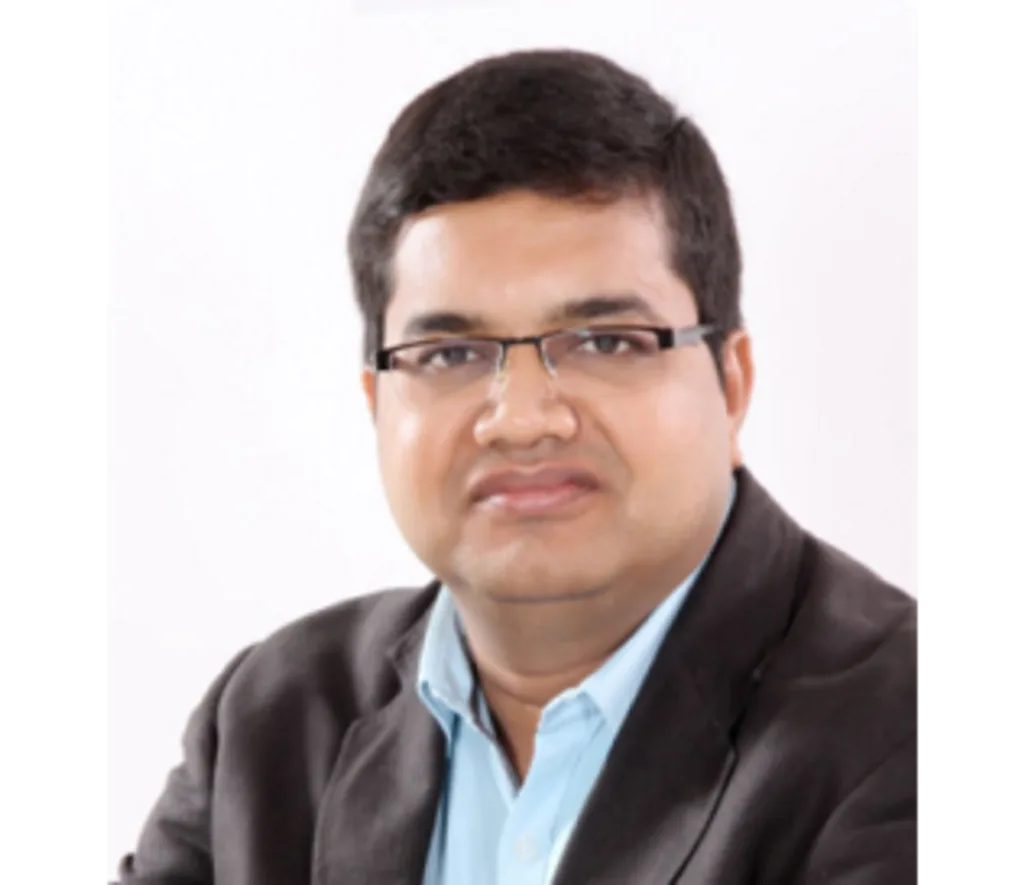 Dr Satish Prasad RathPhysician · Scientist · Entrepreneur
Founder, GreyBrain AI School
Visiting Faculty, IIHMR Bangalore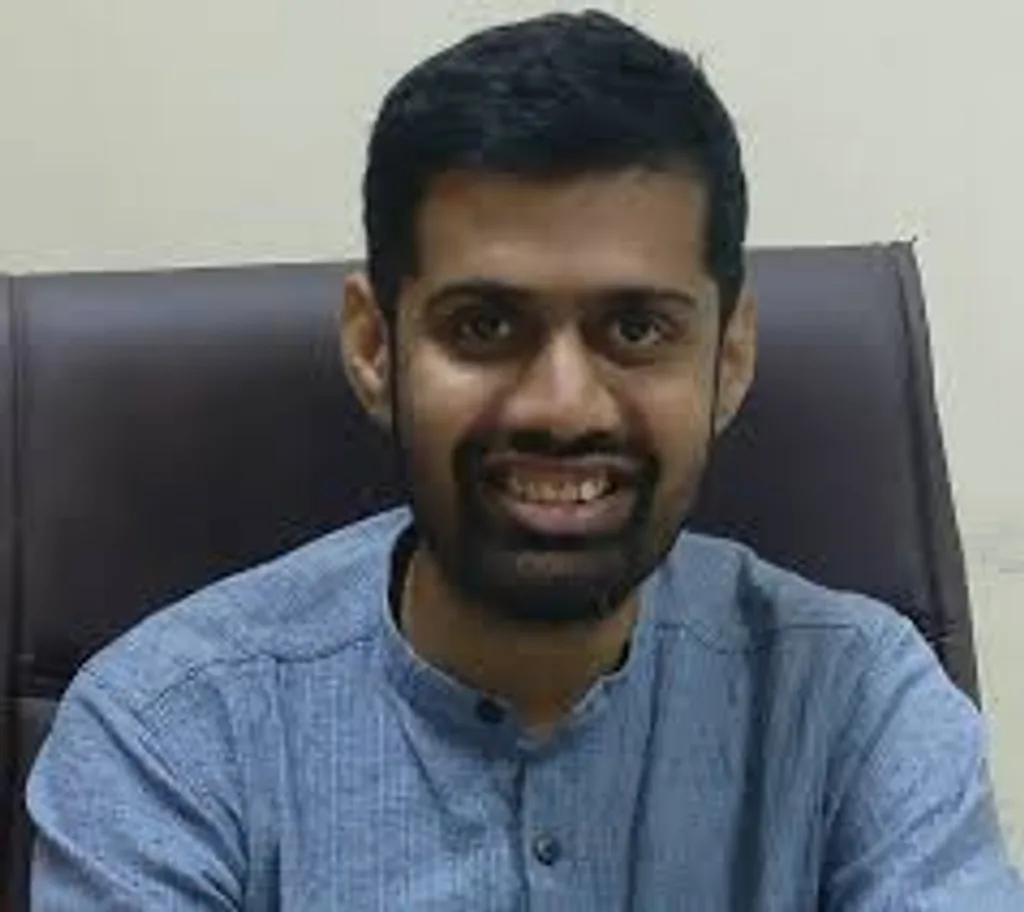 Dr Prathosh APPhD (IISc)
Professor, EECS Division
Curriculum committee and course advisor
IISc Bangalore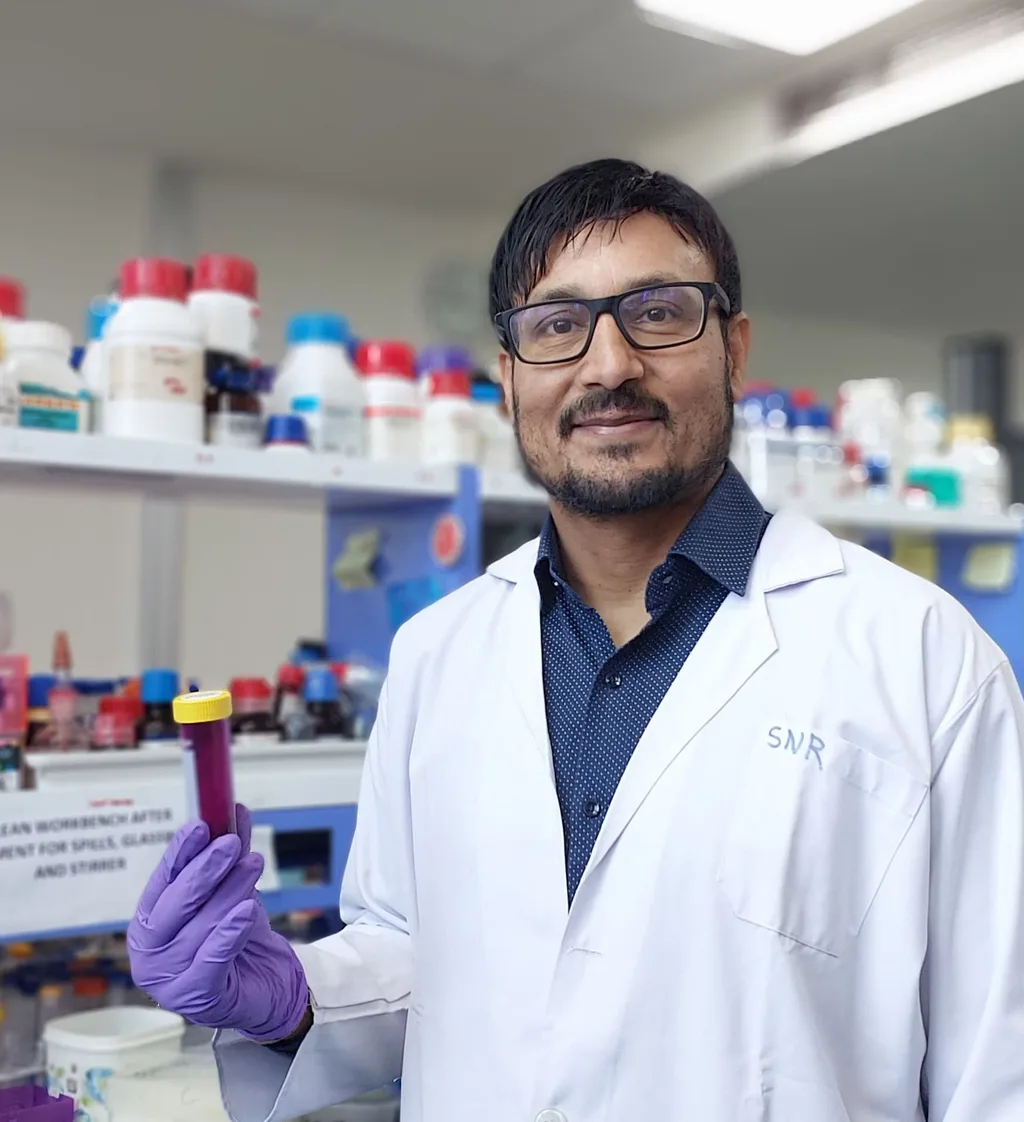 Dr Subha Narayan RathMBBS, MMST, PhD
Professor, Department of Biomedical Engineering
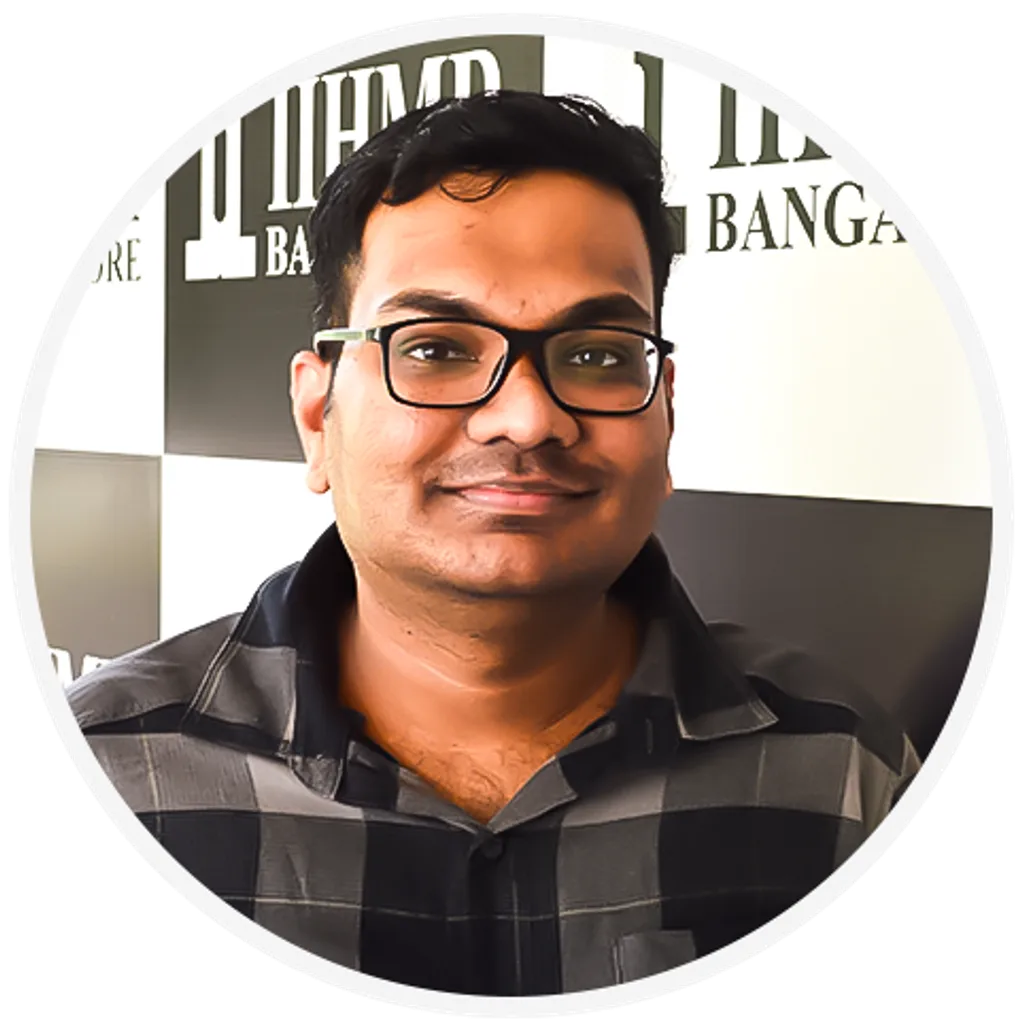 Dr Akash Gajanan PrabhunePhD (DIT University)
Assistant Professor & Lead, ADMIRE
IIHMR Bangalore Mr Vinay R SrihariSenior Data Scientist
Assistant Professor, ADMIRE
IIHMR Bangalore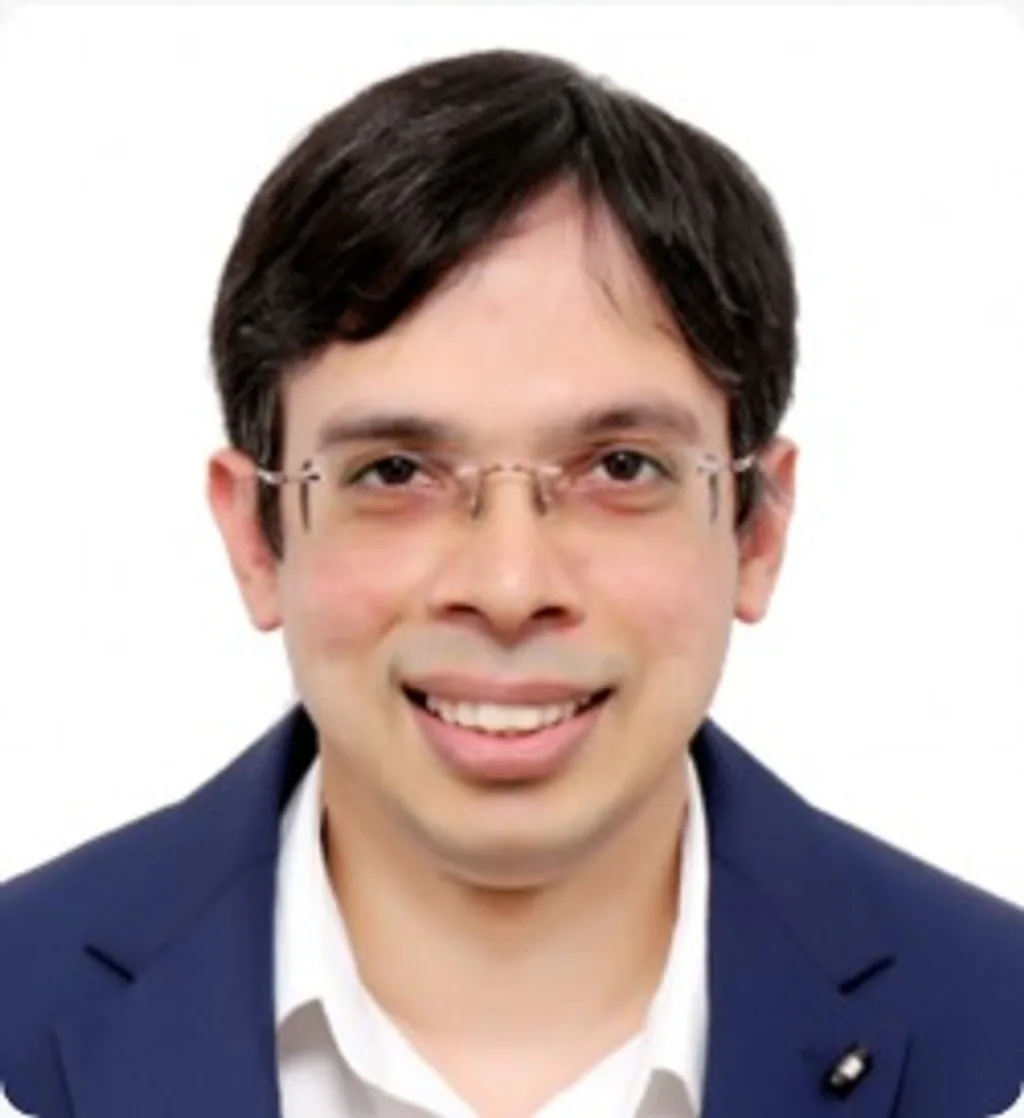 Dr Lalit GuptaPhD (IIT Kharagpur)
Founder, Deepneura · Ex-Philips
Academic advisor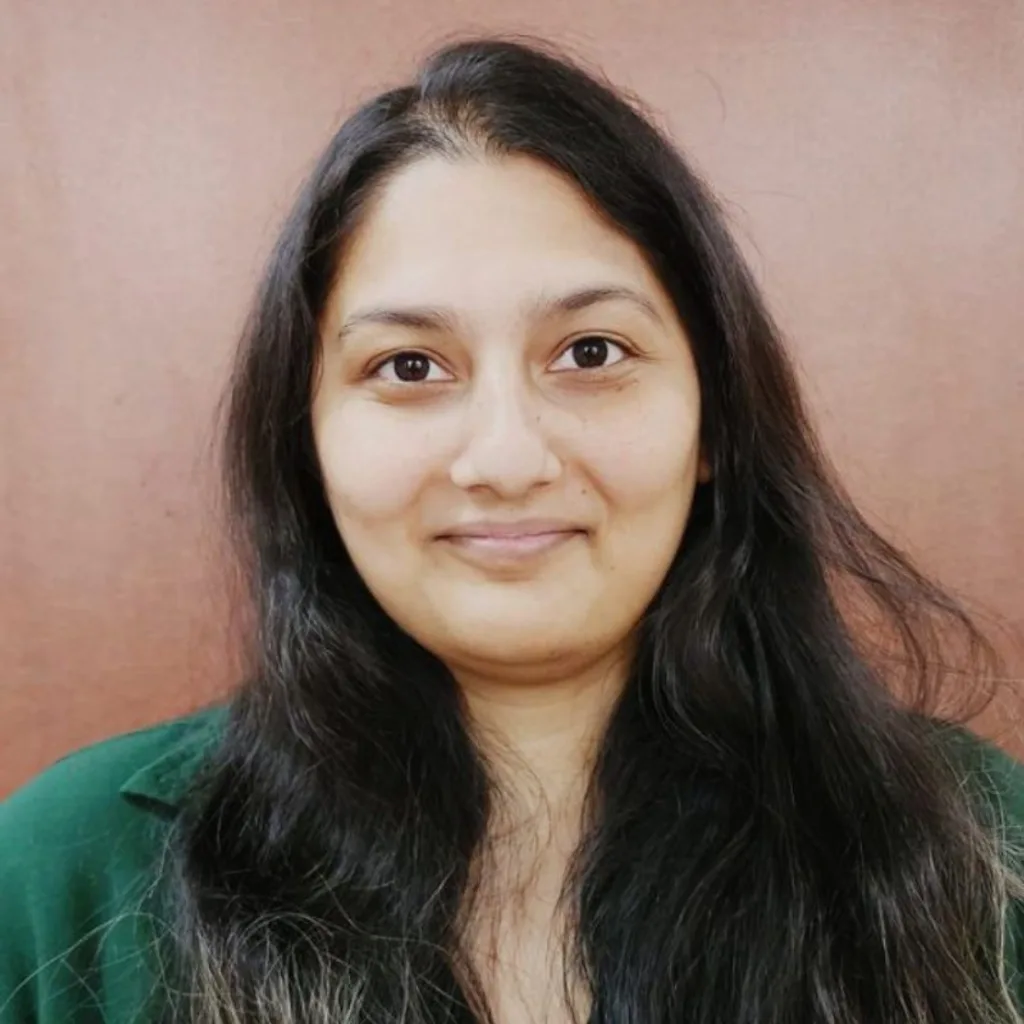 Dr Pratichi MishraMD (St George's University)
AI Product Analyst
A NEW PRACTICE EVERY MORNING · FREE · NO SIGN-UP
Try it before you trust it.
One exercise, written for a doctor’s day. Run it, then do the part that needs a clinician — check what comes back against the source.
TODAY’S PRACTICE · Academician
Your idea, in the shape a funder reads
Your idea reframed into aims and hypotheses, with the weak half named rather than flattered.
Act as a grants officer who has read a thousand applications. This is a practice exercise on my own idea.

My research idea, in plain language:
[DESCRIBE IT IN 10–15 LINES — the problem, what you would do, why it matters here]

Do four things:
1. Restate it as a specific aim, two sub-aims and a testable hypothesis, in the register a funding panel expects.
2. Write the "significance" paragraph, and separately the "innovation" paragraph, and tell me honestly which of the two is weaker in my idea.
3. List the feasibility questions a reviewer will ask about doing this in an Indian setting — sample access, follow-up, ethics clearance, equipment, staff time.
4. Give me the three reasons this gets desk-rejected before review, and what would have to be true to remove each one.

Do not invent collaborators, preliminary data, budgets or citations.

End with a short section titled "Your check" listing what I must verify myself before using any of this.
YOUR CHECK
The feasibility list is generic until you test it against your actual institution. Confirm ethics and access before you write a single budget line.
Educational practice. Do not submit model-written text as your own scholarly work where that breaches the funder’s or your institution’s policy.
Open the full practice ↗THE MODEL FORMULARY
New medical models land every week.
Which ones are really for medicine?
Who built it, what it learnt from, whether you may use it and where it stops — read from the makers’ own published note. Open the formulary ↗
Built by a university and unusually clear about exactly which medical texts it was trained on — which is what lets you judge where it will be weak.
- Licence
- llama2
- Based on
- meta-llama/Llama-2-7b
- Last updated
- Dec 2023
- How widely used
- 1,098 downloads
MOST USED ON HUGGING FACE RIGHT NOW · MEDICAL
- Medical-NERblaze999 · token-classification · 22,606 downloads
- Lingshu-7Blingshu-medical-mllm · image-text-to-text · 10,359 downloads
- ClinicalBERTmedicalai · fill-mask · 6,453 downloads
- embeddinggemma-300m-medicalsentence-transformers · sentence-similarity · 4,637 downloads
- medical_summarizationFalconsai · summarization · 2,257 downloads
- II-Medical-8BIntelligent-Internet · text-generation · 2,134 downloads
Listed by usage, not endorsement. Nothing here is assessed for clinical use.
THE HARDEST PART IS STARTING
Begin with one
small, finished thing.
Most doctors do not stall because the material is hard. They stall because there is no obvious first step. Day 0 is free and takes twenty minutes. The entry course is ₹1,000 and self-paced, on a syllabus you already know by heart.
- F0Day 0Your First Win
- F1AnatomyAnatomy of an LLM
- F2PhysiologyHow the Model Functions
- F3PathologyHow the Model Fails
- F4PharmacologyThe Model Formulary
- F5Forensic & Community MedicineLaw, Ethics and the Indian Landscape
- F6Intelligence ScienceFrom Synapse to Silicon: the Science of Intelligence
“The LMS is excellent, and the assignments and learning methods are truly engaging.” — Dr Deepak Chiradoni
See where the programme leads ↗YOU’RE NEVER JUST ONE THING
One doctor.
So many hats.
Still one day.
Practise for the one you are wearing today.
Eight sets of exercises, one for each side of your work. Or try the guided source check →
One fictional doctor, eight familiar roles. AI-generated illustration.
BEFORE YOU DECIDE
Questions doctors ask
before they start.
Do I need coding experience?
None. Everything is done in the browser, in the same AI tools you can already open on your phone. If you can use a search engine and read a paper critically, you can do this course.
What does it cost to start?
The recorded starter is ₹1,000 in India or US$10 internationally. These are regional prices. Review the course terms and final total before paying. Institutional programmes are scoped and quoted separately.
What happens after the starter?
Further capabilities appear in your learner account as you progress. You see what each upgrade adds and its full price before deciding to buy.
Does the starter include live teaching?
The starter uses recorded learning. Any included support, assessment and access period must be stated in the course terms before enrolment. Individual live sessions are not an automatic inclusion.
How do achievements and certificates work?
Achievements record completed learning against the applicable requirements. Programme certificates follow the stated assessment criteria. Attending an event or sharing a social post does not by itself qualify someone for an assessed certificate.
Is this recognised by the NMC, or does it carry CME credit hours?
No. This is professional learning, not a regulatory qualification. It does not carry NMC recognition, CME credit hours, a clinical licence or specialist accreditation, and we will never claim otherwise. The IIHMR Bangalore certificate programme has its own stated assessment requirements, which are confirmed before enrolment.
Can our institution or conference run a programme?
Yes — for a college, a department, a hospital or a conference session. Tell us who will attend, roughly how many, the shape of session you want and your own role. Cohort programmes are scoped and quoted individually; there is no standard price at that size. An enquiry does not book an event or enrol anyone.
Can I join without WhatsApp?
Yes. Use your email for learning access. Messaging preferences and public sharing are optional and separate from course completion.
What should I use for practice?
Use synthetic examples and check outputs against the supplied source material. Keep identifiable patient information out of general AI tools. These exercises teach AI skills and do not replace clinical judgement.
Your expertise. Sharper tools.
GreyBrain School of AI · with IIHMR Bangalore